Brand Identity vs Logo Design: What's the Difference? (Complete Guide)
A logo is only one piece of a much larger brand identity. Discover the differences between logo design and brand identity, why both matter, and how a strategic visual system helps businesses build recognition, trust, and long-term growth.
Author
READ
Category

One of the biggest misconceptions I encounter is the belief that a logo and a brand identity are the same thing. They're closely connected, but they're far from interchangeable.
Think of your logo as a signature. It's the mark people recognize first. A brand identity is everything that gives that signature meaning. It's the combination of typography, color, imagery, layouts, graphics, tone, and visual consistency that shapes how people experience your business over time.
Imagine walking into two coffee shops with identical logos. One has beautifully designed packaging, thoughtful interiors, cohesive signage, and a memorable customer experience. The other uses different colors everywhere, inconsistent typography, and generic marketing materials. Even though the logos might be identical, your perception of each business would be completely different.
That's the difference between owning a logo and building a brand.
Today, customers interact with businesses across websites, packaging, social media, emails, advertisements, and physical spaces. A single logo simply can't carry that responsibility alone. What creates recognition is a complete visual identity working consistently across every touchpoint.

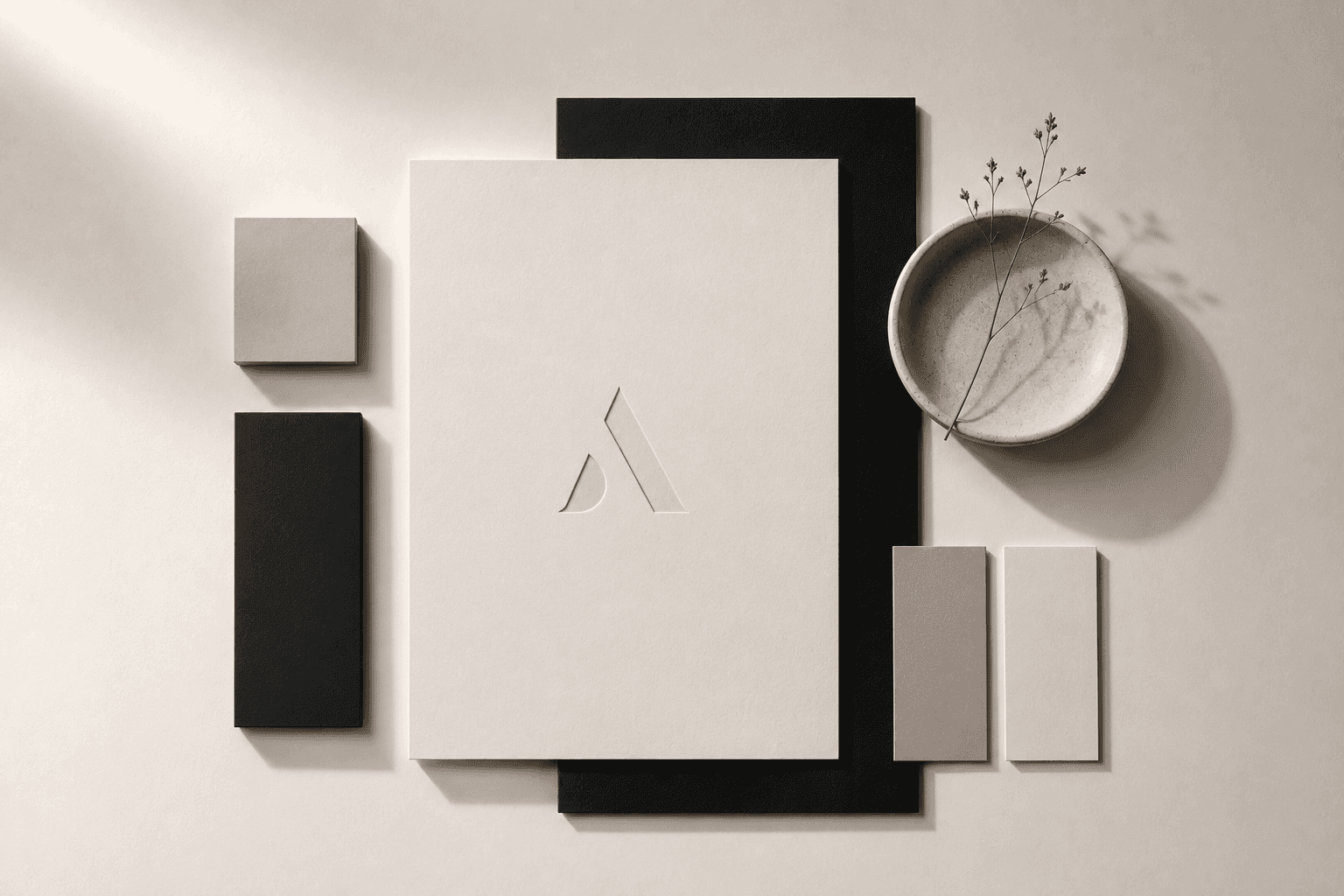
A strategic brand identity gives your business a consistent visual language that customers can instantly recognize.
A complete identity system typically includes:
• Logo and logo variations
• Color palette
• Typography
• Graphic elements and iconography
• Photography or illustration style
• Layout principles
• Brand voice and messaging
• Guidelines for consistent application
Each of these elements has a purpose. Typography influences personality. Color shapes emotional perception. Photography creates atmosphere. Graphic elements improve recognition. Together, they create an experience that feels intentional rather than assembled.
This consistency is what separates memorable brands from forgettable ones.
Think about brands like Apple, Nike, or Airbnb. You don't need to see their logo on every advertisement to know who created it. Their colors, layouts, photography, typography, and overall design language are recognizable on their own. That's the power of a cohesive identity system.
For growing businesses and startups, investing in a brand identity isn't just about looking professional. It's about building trust, improving recognition, and creating a foundation that can scale as the business grows.

If you're launching a business, it's tempting to focus only on getting a logo designed. It's quick, affordable, and feels like progress. But a logo without a supporting identity often creates inconsistency as your business expands.
Every new social media post, presentation, package, website page, or advertisement becomes a design decision made from scratch. Over time, this inconsistency weakens recognition and makes the brand feel less credible.
A complete brand identity solves that problem by creating a repeatable system rather than a single asset.
That doesn't mean every business needs an extensive branding package from day one. The right solution depends on your stage, goals, and budget. But understanding the difference helps you make better decisions as your business grows.
If you want customers to remember your business, trust your brand, and recognize your products wherever they encounter them, you're building more than a logo. You're building a brand identity.
The most successful brands aren't remembered because they have beautiful logos.
They're remembered because every interaction feels consistent, intentional, and unmistakably theirs.